
Taylor Welch – Offer Suites & Ecosystems
$997.00 Original price was: $997.00.$44.00Current price is: $44.00.

Taylor Welch – Offer Suites & Ecosystems
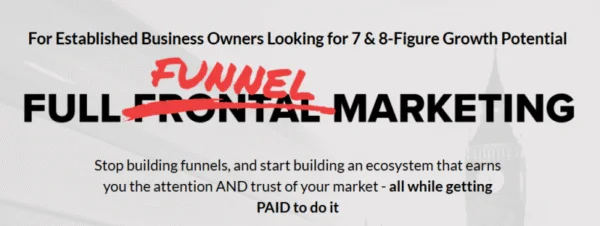
Building a profitable and predictable business in today’s competitive environment requires more than a well-designed product, a compelling message, or a high-converting funnel. Modern buyers have more options than ever, attention spans continue to shrink, and trust takes longer to earn. This is where the strategic concept of Offer Suites and Ecosystems becomes a game-changing advantage for entrepreneurs, coaches, course creators, agencies, and digital brands seeking long-term, stable growth.
The philosophy behind this approach revolves around creating an environment where customers naturally ascend through a series of value-driven offers that meet them at different stages of their journey. Instead of relying on a single flagship product or pushing one-time transactions, it leverages structured pathways that deepen trust, strengthen retention, and maximize lifetime value. By understanding the deeper logic behind these systems, business owners can move away from short-term hustling and transition into a model that compounds revenue over time.
Understanding the Foundation of Offer Ecosystems
An offer ecosystem is a strategic collection of products, services, experiences, and programs designed to guide customers from their initial point of interest to higher levels of transformation and value. Rather than leaving customers to figure out their next steps, the ecosystem provides clarity, continuity, and progression. This removes friction, reduces decision fatigue, and ensures that customers always feel supported.
A powerful ecosystem usually includes a blend of awareness-level offers, low-commitment entry points, mid-tier transformation products, and high-end solutions. Each component has a specific purpose, and when everything is aligned, the business operates like a predictable growth engine rather than a chaotic sales cycle.
Creating such a system also forces a brand to think long-term. The purpose is not merely to generate revenue in the moment but to build a relationship-based model that rewards consistency, expertise, and value delivery.
Why Traditional One-Offer Models Fail to Scale
Many businesses try to grow by relying heavily on one offer or funnel, expecting consistent performance throughout the year. While a strong offer can certainly produce revenue, it eventually reaches a saturation point. Traffic becomes more expensive, competitors replicate similar structures, and customer interest shifts. When businesses fail to diversify their offer pathways, revenue becomes unstable and growth plateaus.
Some of the most common problems with one-off models include:
1. Lack of Customer Progression
When customers complete the core offer, they often have no clear path forward, leading to missed revenue opportunities and lower retention.
2. Higher Acquisition Costs
Without an ecosystem, it becomes challenging to recoup rising ad costs since there are no additional revenue layers to offset the investment.
3. Limited Customer Segmentation
Not all buyers are ready for the same commitment. An ecosystem allows businesses to meet people at multiple levels, increasing conversion opportunities.
4. Inconsistent Cash Flow
Revenue spikes become unpredictable, making it difficult to forecast, hire, or scale operations.
Building a multi-offer system solves these issues and creates stability even during market fluctuations.
The Core Structure of a High-Performing Offer Suite
A well-designed suite follows a natural progression. It builds trust, establishes authority, and guides customers through increasingly deeper transformations. Below is the common structure behind systems used by top-performing digital brands:
1. Awareness & Entry-Level Offers
These offers serve as the gateway into the ecosystem. They attract attention, generate leads, and convert curiosity into commitment. Examples include:
Low-ticket guides or starter kits
Short workshops and live classes
Introductory trials
Minimal-cost digital products
Lead magnet funnels with optional upgrades
The goal is not to generate massive profit but to create the first point of trust while lowering the psychological barrier of entry.
2. Core Value Offers
This is typically the product or service that delivers substantial transformation. For many businesses, this is the main coaching program, course, or service package. It is priced to reflect its value and often becomes the biggest revenue driver.
A strong core offer must:
Solve a primary problem
Deliver measurable outcomes
Include structured guidance
Offer a clear and compelling framework
Align with customer intent and readiness
The effectiveness of this middle layer determines whether customers advance into the higher tiers.
3. High-End Mastery or Done-For-You Offers
These are designed for customers who want deeper access, faster implementation, or personalized support. High-end offers usually include:
1-on-1 coaching or consulting
Done-for-you services
Mastermind groups
High-level mentorship
Private advisory or fractional roles
Since these offers deliver exponential value, they justify higher pricing and produce the largest profit margins.
4. Long-Term Continuity Programs
Subscription-based offers serve as the heartbeat of a thriving ecosystem. They create dependable monthly recurring revenue and keep customers engaged long after completing the primary program.
Common examples include:
Membership portals
Ongoing support communities
Content libraries
Monthly mentorship calls
Software-based tools or digital utilities
These programs create stickiness and allow businesses to compound revenue without constant reselling.
The Psychological Framework Behind Customer Ascension
An effective ecosystem aligns with the natural psychological progression customers experience as they solve problems and gain confidence. Each step satisfies a different emotional need:
Awareness offers provide answers to immediate pain.
Core offers give structure and a well-defined path.
High-end programs provide identity-level transformation.
Continuity models offer stability and long-term support.
By designing offers that follow this emotional flow, businesses increase conversion rates, improve retention, and reduce the effort required to generate new sales.
How Ecosystems Multiply Revenue Without Increasing Workload
One of the most compelling benefits of offer ecosystems is that they create leverage. Once established, each additional customer can move through the value pathways naturally. This allows the business to:
Reuse content
Standardize onboarding
Create predictable timelines
Lower acquisition costs through backend monetization
Improve operational efficiency
Instead of selling harder, the business sells smarter. Revenue increases because customers stay longer, buy more frequently, and receive higher value.
The Role of Consistent Messaging and Positioning
At the center of every successful ecosystem is clear and consistent messaging. It ensures customers understand the value of each step, why they should progress, and what outcomes to expect. The message must remain aligned across all offers while still addressing different levels of sophistication.
Strong positioning acts as a magnet, attracting ideal customers and repelling those who would not benefit from the ecosystem. It simplifies decision-making and strengthens brand trust.
Implementing Offer Suites in a Modern Digital Landscape
Today’s buyers value speed, clarity, and results. An ecosystem supports this by removing confusion and guiding them through structured pathways. To implement effectively:
1. Start With Your Core Transformation
Define the change you help customers achieve. This becomes the anchor of the entire ecosystem.
2. Build Entry Points That Answer Immediate Needs
These offers serve as the front door to your brand.
3. Develop a High-End Pathway
Create an advanced offer for your most committed clients.
4. Establish Recurring Revenue Streams
Subscriptions stabilize income and strengthen community.
5. Optimize With Feedback and Data
Track customer behavior, program completion rates, and ascension metrics to refine the system continuously.
The Long-Term Advantage: Building a Legacy Brand
An offer ecosystem is more than a marketing strategy—it is a long-term business architecture. It positions the brand as a consistent, dependable source of value. As customers grow, the ecosystem grows with them. This is how brands create legacies instead of short-term hype.
Businesses with ecosystems:
Scale faster
Retain customers longer
Convert more efficiently
Compete more effectively
Build stronger reputations
In a digital world where attention is scarce and competition is fierce, having a structured system that nurtures trust is the ultimate differentiator.
Final Thoughts
The approach of building interconnected offers and a supportive environment around them provides the foundation for sustainable and predictable business growth. It eliminates the rollercoaster of inconsistent sales, reduces the need for constant new marketing campaigns, and strengthens relationships with customers at every stage of their journey.
This model is not just about selling more—it is about providing deeper transformation, greater value, and long-term pathways for those you serve. When executed correctly, it becomes a powerful and elegant structure that fuels growth for years.